
How to Protect Your Drain Field from Damage
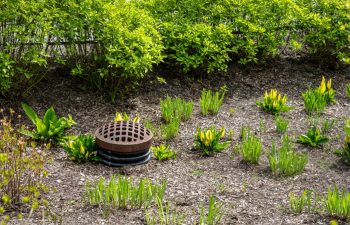
Your septic system plays a critical role in managing wastewater for your home, and the drain field is one of its most important components. At Septic Service Pro, serving Gwinnett County, Forsyth County, and across North Georgia, we often see costly issues that could have been prevented with proper care. Understanding how to protect your drain field can help you avoid expensive repairs and keep your system running efficiently for years.
Why the Drain Field Matters
The drain field (also called a leach field) is where wastewater from your septic tank is filtered naturally through the soil. It removes contaminants and safely disperses water back into the ground.
When the drain field is damaged or overloaded, it can lead to:
- Sewage backups into your home
- Standing water or soggy areas in your yard
- Strong odors and potential health risks
According to the EPA, more than 20% of U.S. households rely on septic systems, and improper maintenance is one of the leading causes of system failure.
Know Where Your Drain Field Is Located
One of the simplest but most important steps in protecting your drain field is knowing exactly where it is. Once identified, you should:
- Clearly mark the area
- Keep it accessible for inspections
- Avoid planting deep-rooted trees nearby
This awareness helps prevent accidental damage and ensures you can monitor the area for early warning signs.
Keep Vehicles and Heavy Equipment Off the Area
Your drain field is not designed to handle heavy weight. Driving or parking over it can compress the soil and damage underground pipes.
Avoid placing:
- Cars, trucks, or trailers
- Construction equipment
- Storage sheds or structures
Soil compaction reduces the ability of the drain field to properly filter wastewater, which can lead to system failure. In fact, compacted soil can reduce drainage efficiency by up to 50%, significantly increasing the risk of backups.
Be Careful What Goes Down Your Drains
What you flush or pour down your drains directly affects your septic system. Harsh chemicals and certain substances can disrupt the natural bacteria that break down waste.
Avoid flushing or draining:
- Household chemicals and cleaners in large amounts
- Paint, solvents, or oils
- Medications and pharmaceuticals
- Grease and food waste
Studies show that pharmaceutical residues and chemicals can interfere with septic system function, reducing its ability to properly treat wastewater.
Protect Against Root Intrusion
Tree roots are a common cause of drain field damage. They are naturally drawn to moisture and can infiltrate pipes, causing blockages or breaks. To reduce risk:
- Plant trees and shrubs far from the drain field
- Choose shallow-rooted plants for landscaping
- Monitor for signs of root intrusion
Regular inspections can catch these issues early before they require major repairs.
Watch for Warning Signs of Damage
Early detection can save you from costly repairs or system replacement. Call for professional service if you notice:
- Slow drains throughout your home
- Pooling water or soggy soil in the yard
- Unpleasant sewage odors
- Lush, unusually green grass over the drain field
Septic system repairs can cost thousands of dollars, with full replacements often ranging from $5,000 to $15,000 or more, depending on the extent of damage.
When to Call for Drain Field Repair
If your drain field is showing signs of failure, it’s important to act quickly. Professional evaluation can determine whether repairs, restoration, or replacement is needed.
At Septic Service Pro, we provide:
- Drain field inspections and diagnostics
- Repair and restoration services
- Preventive maintenance solutions
Prompt action can extend the life of your system and prevent further damage.
Protect Your Investment
Your septic system is a major investment, and proper care of your drain field is essential to keeping it functioning properly. With simple precautions and routine maintenance, you can avoid costly problems and ensure reliable performance.
Contact Septic Service Pro today to schedule an inspection or learn more about protecting your drain field in Gwinnett County, Forsyth County, and throughout North Georgia.